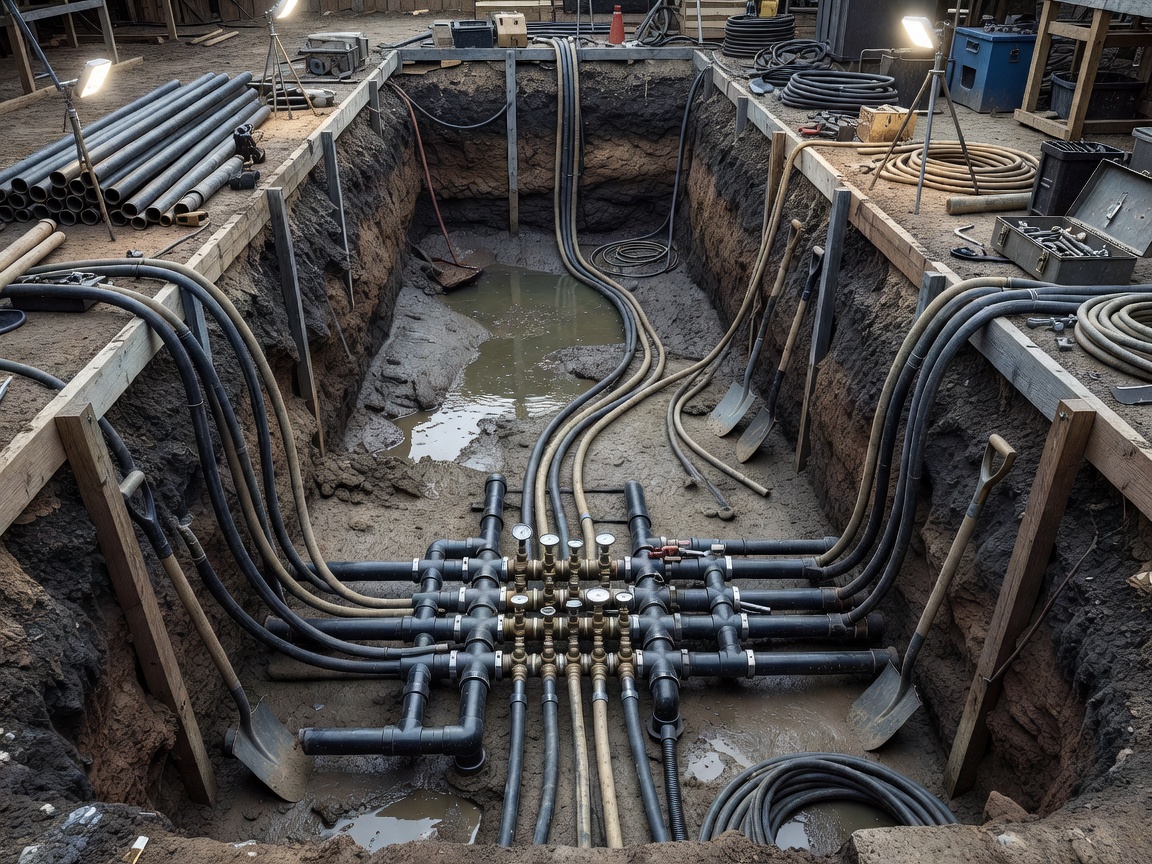
Campsite Utility Systems
Water routing, greywater isolation, backflow prevention, and seasonal demand equalization across multi-pitch clusters.
A successful outdoor accommodation facility rests on what lies beneath the surface: quiet water distribution, resilient electrical loops, seamless greywater clearing, and durable wash blocks designed for peak seasonal demand.
We look at campsite management through a pragmatic lens. Running a park means balancing peak summer loads with winter shutdown routines, water hygiene regulations, and sensible equipment lifecycles.
Water routing, greywater isolation, backflow prevention, and seasonal demand equalization across multi-pitch clusters.
Scheduled preventative audits, routine line flushes, pathway repairs, and transition schedules between high and low seasons.
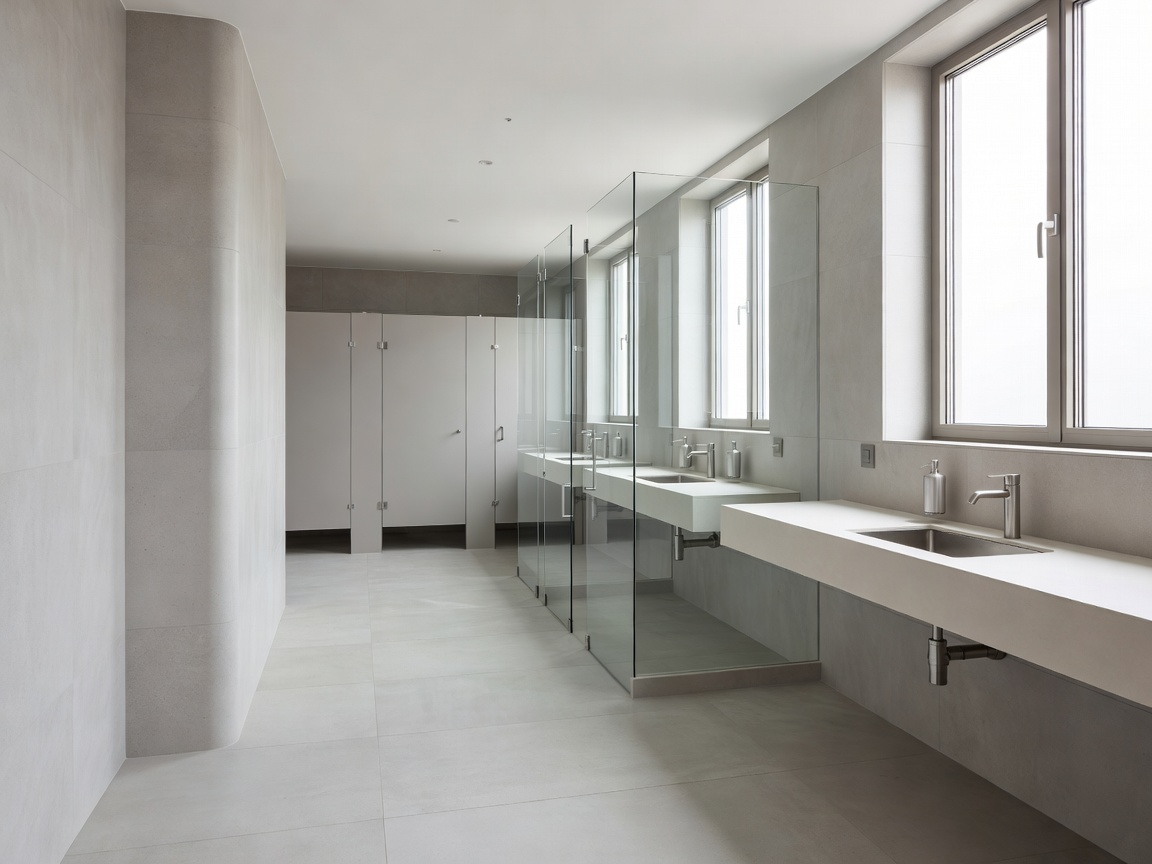
Shower block redesigns, touchless valves, energy-efficient ventilation, humidity extraction, and accessible family cabins.
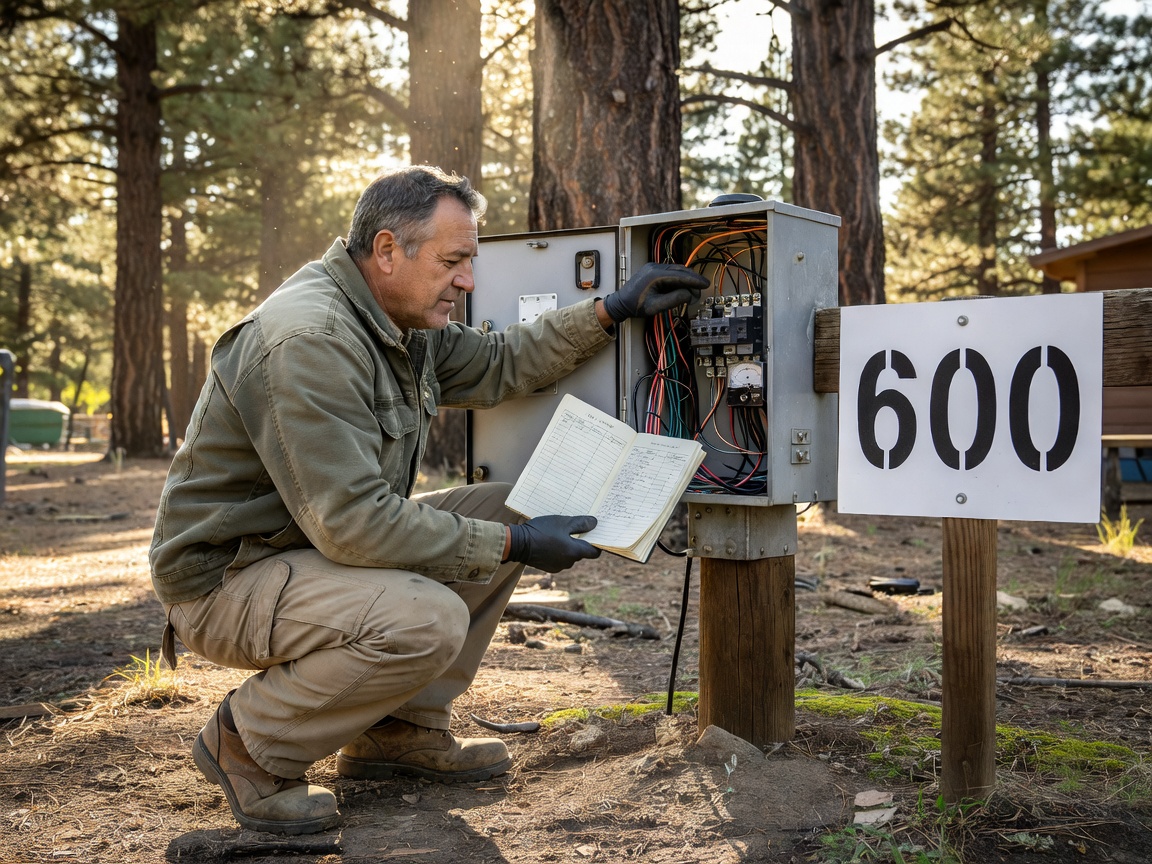
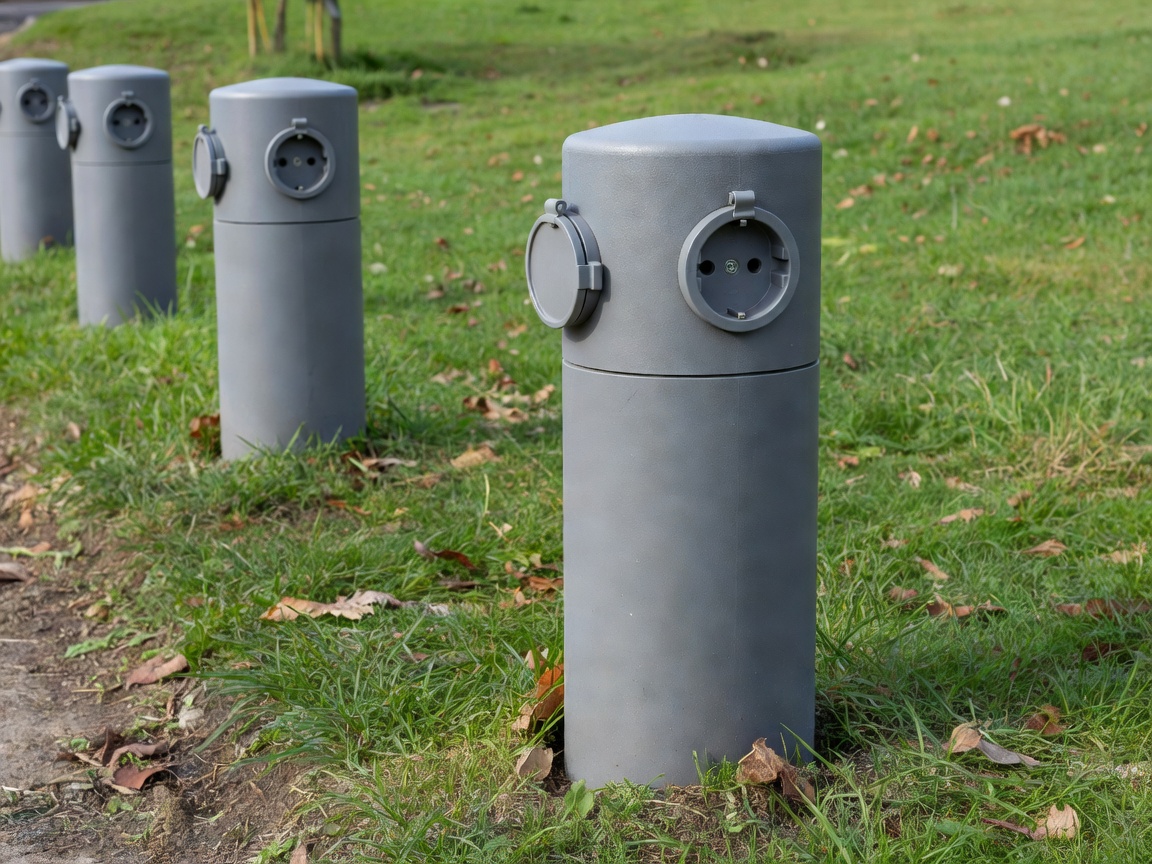
Feeder pillar zoning, CEE bollard layout, EV charging load balances, and surge isolation for vulnerable outdoor power runs.
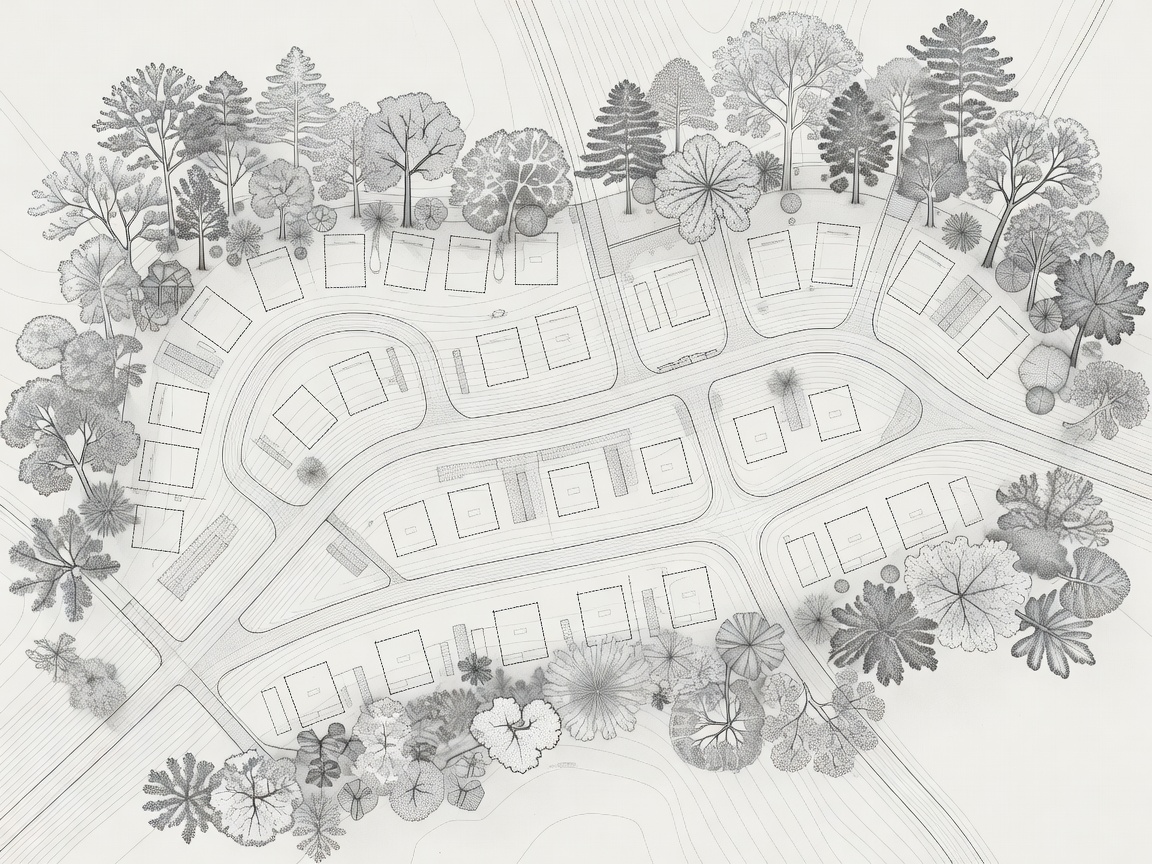
Phased capital expenditure, heavy vehicle ground stabilization, internal circulation roads, and terrain-sensitive drainage.
A pipe rupture does not just affect drinking taps; it floods service corridors, compromises electrical earthing, and stresses emergency staff. Viewing campsite elements as linked nodes prevents cascading failures.
Looped supply mains avoid dead ends and reduce stagnant legionella risks, while gravity-assisted drainage routes protect groundwater tables.
Segmented cable networks isolate pitch short-circuits to single sub-panels, leaving facility washrooms and emergency lighting energized.
Shower blocks, laundry points, and chemical disposal points positioned within 120-meter radii of tent and touring caravan zones.
Pre-season flow pressure checks, spring electrical earth-loop testing, and late-autumn air-clearing blowouts preserve capital assets.