The Operational Ladder: Inspect, Maintain, Repair, Replace
Running a campground involves managing a living, breathing property exposed to heavy foot traffic, changing weather, and relentless outdoor wear. The secret to low operational stress during peak season is understanding where a piece of equipment sits on the operational continuum:
- Inspection: Systematic visual and physical checks to identify early wear, pressure variances, or corrosion before failure occurs.
- Maintenance: Scheduled proactive interventions, such as descaling mixing valves, lubricating barrier arms, and flushing sediment from drainage channels.
- Repair: Targeted restorative actions to correct a localized failure, such as swapping out a worn solenoid or repaving a frost-heaved pathway section.
- Replacement: Planned retirement of components that have reached the end of their economic lifecycle, avoiding recurring emergency technician fees.
Maintenance cannot eliminate every random disruption—a guest reversing into a tap bollard will always happen occasionally—but it dramatically cuts down on unforced equipment breakdowns.
Plumbing and Sanitary System Servicing
Showers, toilets, and dishwashing sinks operate under extreme cycles. In hard water areas across France, Spain, and southern England, limescale buildup will choke thermostatic cartridge valves within two seasons if left untreated.
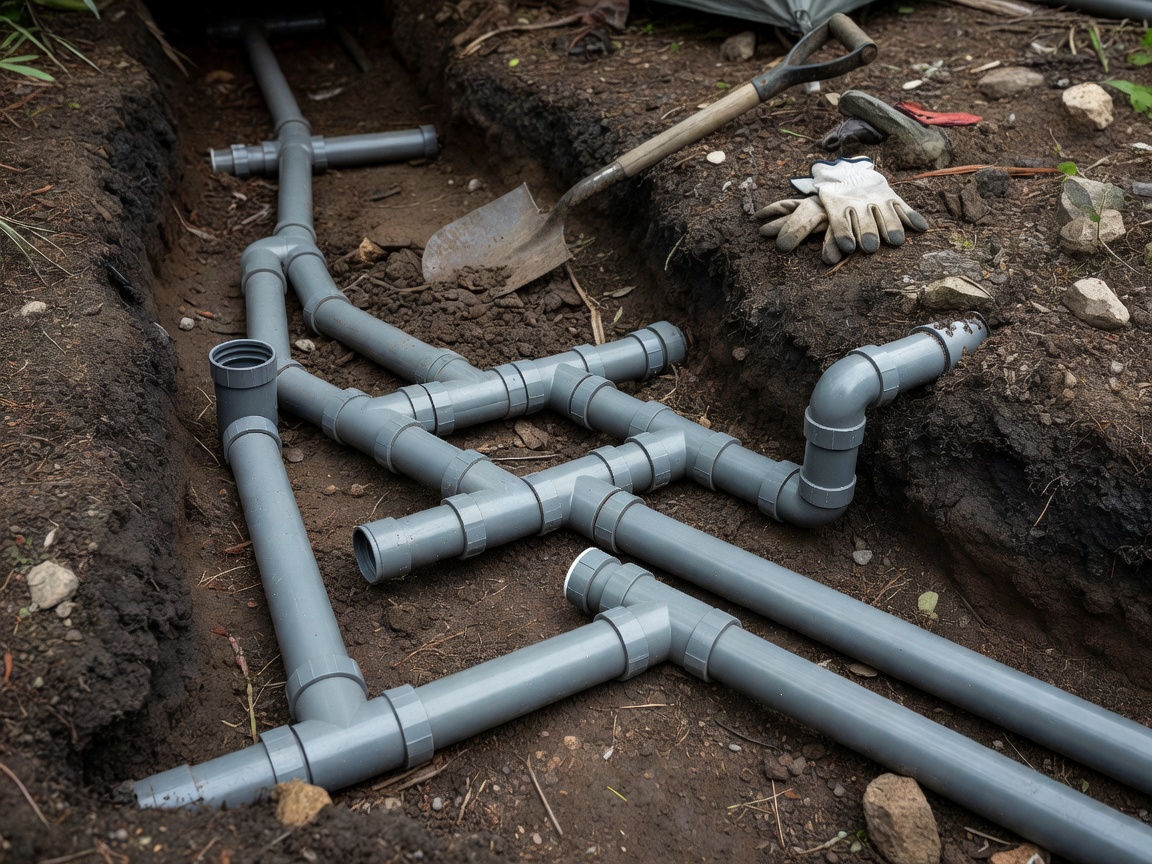
A rigorous preventative schedule includes bi-monthly cartridge descaling during the open months, testing pressure-reducing valves at the primary manifold, and using thermal disinfection flushes to protect against bacterial buildup. Additionally, inspecting accessible waste pipes with drain cameras before the spring opening uncovers roots and grease obstructions before guests arrive.
Document Everything in a Central Log
Whether you use digital asset-tracking software or a simple physical maintenance binder, keeping precise records of every inspection, backflow test, and boiler service provides vital protection during health inspections and insurance reviews.
Internal Roadways, Pathways, and Ground Care
Heavy modern touring vehicles place immense stress on internal gravel roads, tarmac driveways, and reinforced grass pitches. Spring thawing combined with slow drainage often creates ruts, potholes, and loose gravel edges that present tripping hazards.
Routine pathway maintenance includes clearing leaves from permeable pavers, re-grading gravel corridors with crushed aggregate before Easter, and inspecting timber borders, fencing, and playground retaining walls for rot and structural weakness.
Seasonal Transition Schedules: The Winterization Cycle
For seasonal campsites that close between November and March, the shutdown process is the most consequential operational task of the year. Leaving water in an unheated toilet block during a deep freeze will destroy ceramic basins, split copper manifolds, and cause thousands of euros in water damage.
A standard winterization routine involves:
- Shutting off the primary site supply cock and locking out isolation valves.
- Opening low-point drainage valves on all pitch utility bollards and shower blocks.
- Blowing out residual water from pipes using clean, low-pressure compressed air.
- Draining toilet cisterns and siphoning water from toilet traps, replacing it with non-toxic, plumbing-safe anti-freeze fluid where permitted.
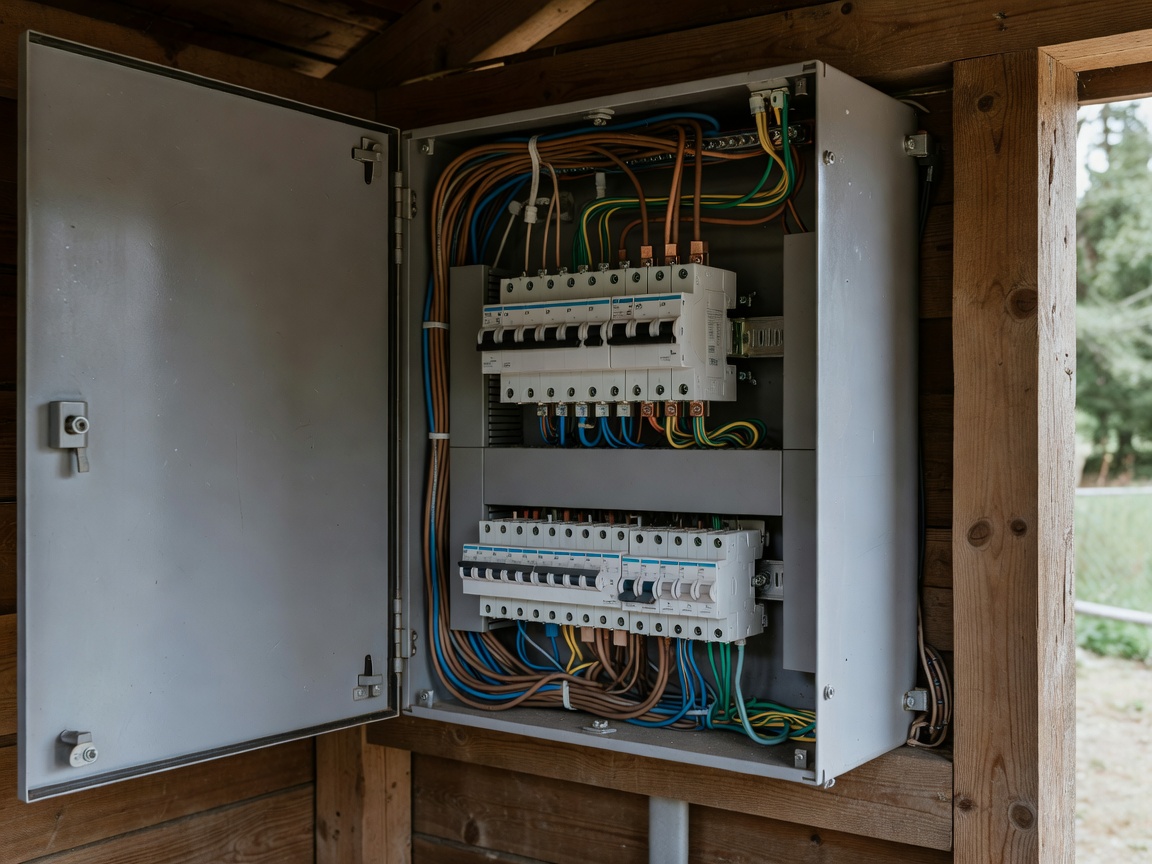
- Isolating sub-distribution electrical boards subject to dampness and inspecting rodent barriers around cable risers.
Routine Maintenance Action Checklist
- Weekly Peak Audit: Test all residual current devices (RCDs) and inspect washroom mixer taps for drips.
- Monthly Grounds Review: Clear gravel build-up from surface water drains and inspect playground anchors.
- Pre-Season Certification: Have qualified professionals inspect gas supply lines and main switchboards.
- Post-Season Purge: Execute complete pneumatic blow-down of outdoor water networks prior to first frost.
Repair Prioritization Matrix
When daily tasks pile up, how does an operator decide what gets fixed first? We recommend prioritizing based on life safety and basic sanitation:
Priority 1 (Immediate): Exposed electrical wiring, gas smells, potable water contamination, or completely blocked main sewer drains.
Priority 2 (Within 12 Hours): Hot water boiler dropouts, localized pitch electrical tripping, or broken security gate hardware.
Priority 3 (Within 48 Hours): Aesthetic path damage, single faulty shower mixers (with adjacent stalls functioning), or non-critical landscape trimming.