Escaping the Cycle of Ad-Hoc Patches
Too many European campsites develop through piecemeal decisions. A row of pitches is laid out in the spring, new water standpipes are added two years later, and when power failures begin occurring, an additional breaker box is bolted onto an existing shed. Within a decade, the site map becomes an unnavigable tangle of undocumented trenches and unbalanced utility circuits.
Site improvement planning replaces guesswork with a structured multi-year master plan. By auditing existing assets and scheduling upgrades during the autumn and winter off-season, operators can systematically modernize facilities without losing guest revenue during peak summer months.
Conducting the Baseline Condition Assessment
Before budgeting a single euro for upgrades, conduct a thorough site-wide infrastructure audit:
- Underground Utility Mapping: Accurately locate and map every main water line, electrical conduit, septic field, and drainage trench using GPS and ground-penetrating radar where necessary.
- Hydraulic and Electrical Headroom: Measure incoming mains pressure under simulated load and review your primary electrical supply agreement to understand capacity ceilings.
- Circulation & Road Condition: Assess whether heavy 3.5-tonne motorhomes and towing combinations can safely negotiate internal turns, entrance radiuses, and parking berths without tearing up grass verges.
- Topography and Stormwater Behavior: Identify low-lying zones prone to ponding during sudden convective summer storms.
Prioritizing Upgrades by Critical Impact
A sensible capital expenditure hierarchy prioritizes: (1) Life safety and legal compliance, (2) Core sanitation and water continuity, (3) Internal road stability and drainage, and (4) Purely aesthetic landscape or recreational amenities.
Phased Multi-Year Upgrade Execution
Campsites operate under tight seasonal constraints. Major excavation, trenching, and building renovation must typically be condensed into the off-season between October and March. Attempting to overhaul an entire 150-pitch property in a single winter rarely succeeds and risks opening delays in spring.
We advocate for a disciplined three-phase framework:
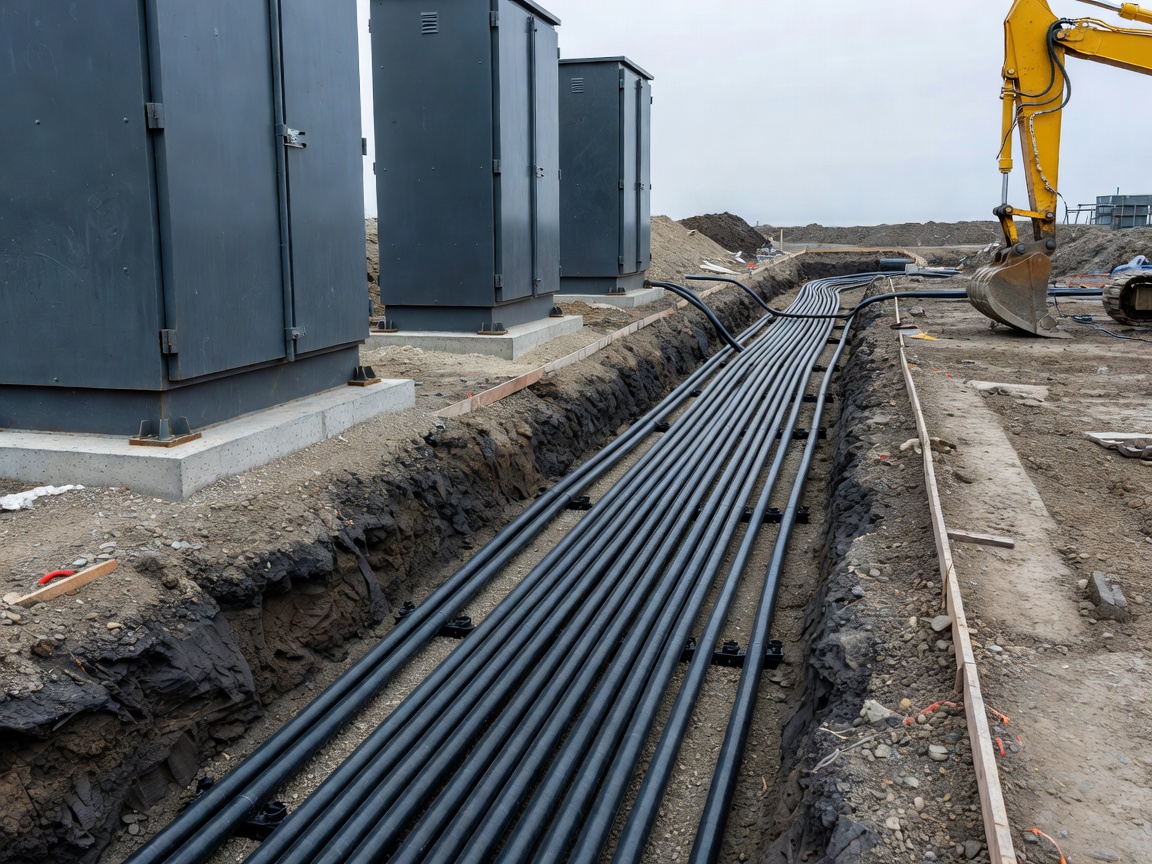
Phase 1: Subsurface Backbone. Overhaul primary water loops, upgrade the main incoming electrical panel, and install heavy-duty shared utility trenches with accessible junction pits.
Phase 2: Sanitary and Service Nodes. Modernize central wash buildings, replace outdated septic or pump chambers, and construct dedicated motorhome dump stations.
Phase 3: Pitch Level & Access Roads. Install modern pitch bollards, grade internal roadways with durable permeable surfaces, and integrate indigenous landscape screening.
Budget Categories and Financial Allocation Factors
Rather than relying on abstract generic estimates, campground operators should structure capital improvement budgets into distinct cost categories:
- Civil Engineering & Earthmoving: Trenching, aggregate sub-bases, drainage pipe installation, and grading machinery hire.
- Specialist Utility Equipment: Certified distribution panels, CEE service bollards, commercial water storage tanks, and pump stations.
- Certified Professional Labor: Licensed electricians, certified plumbers, and structural engineers required for sign-offs.
- Permits & Environmental Approvals: Regional zoning filings, tree protection measures, and environmental impact assessments.
- Contingency Reserve: A non-negotiable 15% to 20% reserve to handle unforeseen subterranean rock shelves or historic pipe deterioration.
Master Improvement Planning Checklist
- Geographic Mapping: Accurate digital overlay of all subsurface conduits and shut-off valves.
- Winter Work Schedule: Detailed milestone calendar locking in trade contractors between October and March.
- Heavy Access Grading: Entrance radii designed to accommodate modern 8-meter caravans comfortably.
- Sustainable Drainage: Inclusion of bioswales and permeable gravel tracks to manage runoff naturally.
Balancing Landscape Integration with Practical Access
Campers visit outdoor accommodations to enjoy green, tranquil environments. However, excessive tree planting directly over utility corridors creates root infiltration risks that can crush drainage pipes within a decade.
Smart site planning designates clear utility corridors along internal roadways, keeping root-heavy trees and structural hedges at safe setback distances. This layout preserves natural aesthetics while allowing quick backhoe access if a line ever requires excavation.