The Core Anchor of Guest Experience
Ask any long-time campsite manager what prompts the quickest guest complaints, and the answer is rarely the grass height or the entrance barriers. It is almost universally the wash block. Dark, damp shower stalls with lukewarm water or inadequate ventilation immediately define a guest’s impression of the entire property.
Upgrading an aging amenity building is not merely about installing modern tile trends. It is an engineering challenge that combines hot water recovery, continuous mechanical humidity extraction, non-porous antimicrobial materials, and barrier-free access.
Ventilation and Moisture Dynamics
The most destructive element inside a communal shower building is trapped humidity. When dozens of hot showers run concurrently during peak morning hours, airborne water vapor condenses on ceilings, mirrors, and deep inside grout joints, creating conditions for mold growth.
Passive windows and roof vents are rarely sufficient on calm summer mornings. Upgraded blocks require mechanical extract ventilation (MEV) or heat recovery ventilation (HRV) systems with ducting sized specifically for high air-exchange rates. Running positive-pressure ventilation during cleaning cycles helps dry wet floors quickly, cutting slip risks and easing turnover duties for cleaning crews.
Slip-Resistance Ratings for Wet Barefoot Areas
Ensure floor tile specifications meet standard European slip-resistance ratings for wet barefoot environments (DIN 51097 Group B or C, or pendulum test value PTV 36+). Highly polished decorative tiles should never be used in communal shower walkways.
Fixture Durability and Cleaning Optimization
Equipment in public campgrounds faces far greater mechanical wear than typical domestic bathroom fittings. Push-button mechanical or electronic infrared mixer taps should feature solid brass bodies, vandal-resistant aerators, and easily accessible thermostatic mixing valves (TMVs) located in a locked service corridor behind the cubicle walls.
Designing a dedicated plumbing chase or "rear service duct" is one of the best investments an operator can make. When all pipework, shut-off valves, and cisterns reside in an accessible technician space behind the cubicles, repairs and winter shut-offs can be conducted without tearing into tile walls or blocking guest access to the entire building.
Universal Accessibility and Family Spaces
Modern standards demand genuine inclusivity. Accessible shower and toilet facilities should not be treated as an afterthought or a cramped utility closet.
Best practice involves providing zero-threshold, step-free access from external paved paths, outward-opening doors with emergency override releases, clear turning radiuses (minimum 1500mm diameter), heavy-duty grab bars rated for appropriate load-bearing capacities, and adjustable shower heads. Incorporating dedicated family cabins with child-height basins and baby-changing platforms also eases congestion in standard cubicle aisles.
Sanitary Upgrade Planning Checklist
- Service Chases: Plumbing routed behind false walls or service passages for simple technician maintenance.
- Anti-Scald TMVs: Thermostatic mixing valves set strictly below 43°C at point of guest contact to prevent burns.
- Floor Drainage Grates: Continuous linear stainless-steel drainage channels that facilitate rapid cleaning squeegee sweeps.
- Natural Light Integration: Skylights and high clerestory windows reduce daytime electrical lighting loads.
Hot Water Generation: Sizing and Buffering
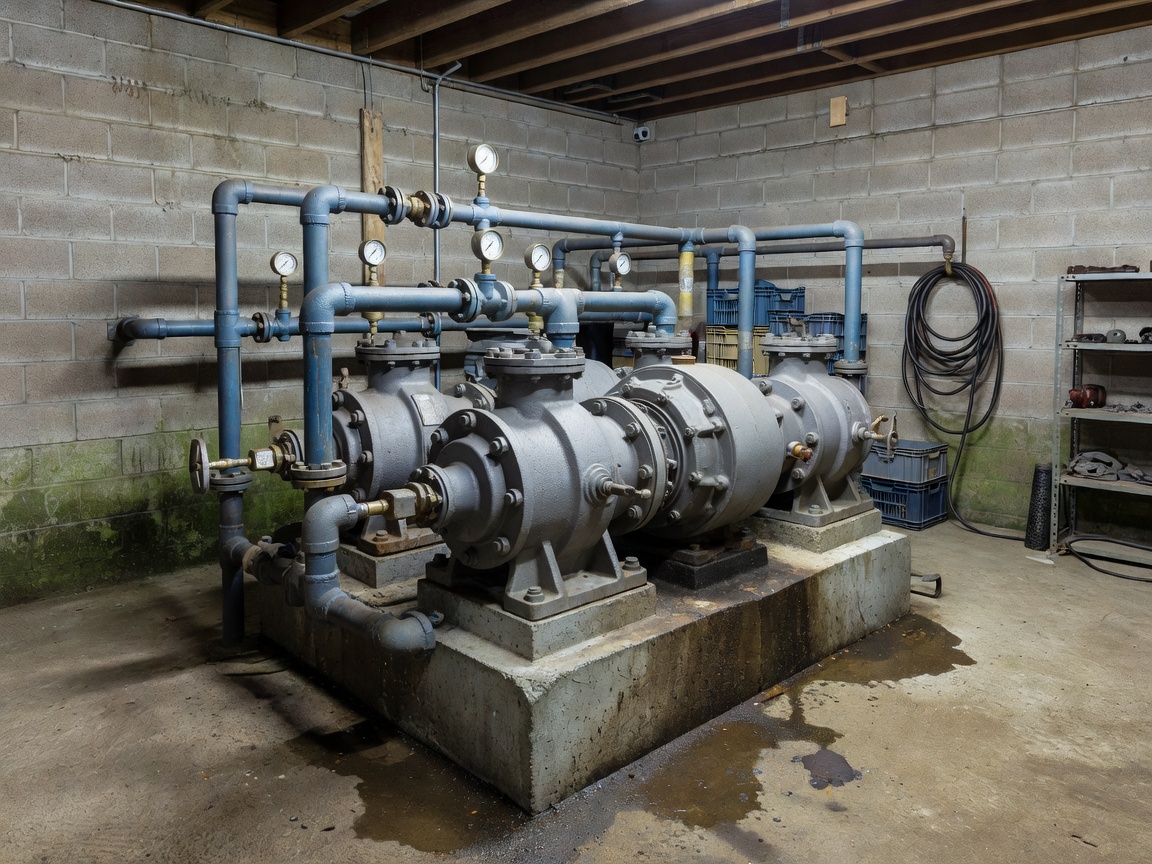
Nothing creates customer dissatisfaction faster than running out of hot water on a brisk spring morning. High-efficiency commercial condensing boilers paired with large, well-insulated buffer cylinders often outperform on-demand tankless systems during intense morning peak periods.
To prevent legionella risks while ensuring comfortable delivery temperatures, storage tanks should be maintained at 60°C or higher, with return loop circulation keeping pipes warm, before being tempered down by commercial TMVs just before reaching the shower outlets.